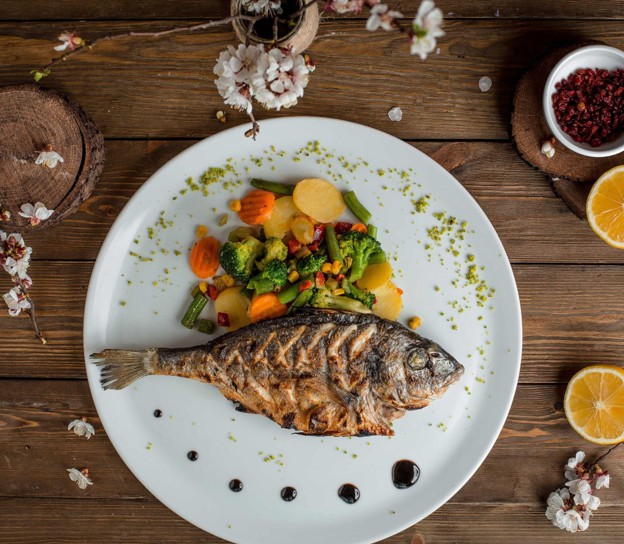
Seafood is a weekly favorite for Michelle Suzanne Huff, and few dishes on a restaurant menu carry as much hidden detail. Behind every fillet is a story about where it was caught or farmed, how it was handled, and whether it is what the menu says it is.
Most diners never ask those questions. Yet a little knowledge can lead to better meals, fresher flavors, and choices that support healthier oceans.
Why Seafood Choices Matter
Seafood choices matter because the way fish are caught or farmed affects ocean health, coastal communities, and the quality of what reaches the plate. Some species are plentiful and carefully managed, while others have been overfished or are caught using methods that harm other marine life.
According to NOAA Fisheries, U.S. fisheries are among the most closely managed in the world, and the large majority of federally monitored stocks are not overfished. However, a large share of the seafood Americans eat is imported. Researchers at the University of Washington estimate that about two-thirds of it comes from other countries, where standards and oversight can vary widely.
That gap means the label on a menu does not always tell the full story. Knowing a few key details lets diners make choices that reflect both quality and responsibility.
The Problem of Seafood Mislabeling
Seafood is one of the most frequently mislabeled foods in the country. A nationwide study by the ocean conservation group Oceana, released in 2013, tested more than 1,200 seafood samples from 21 states and found that about one-third were mislabeled under FDA guidelines.
The findings were especially striking for certain species. Fish sold as red snapper was mislabeled most often, and only a small handful of the samples tested were truly red snapper. Tuna was also frequently substituted. Restaurants and sushi venues showed higher rates of mislabeling than grocery stores.
Mislabeling is not just a matter of getting less than what was paid for. A substituted species may come from a less sustainable source, and in some cases it can raise health concerns for people with allergies or those who need to limit certain fish.
How to Spot a Restaurant That Cares About Sourcing
Diners do not need to become experts to order well. A few simple questions to a server can reveal a great deal about a restaurant’s seafood:
- Where is this fish from? A restaurant that knows the region or country of origin is usually paying close attention to its suppliers.
- Is it wild-caught or farmed? Both can be good choices, and the answer tells diners more about what they are eating.
- When did it come in? Fresh deliveries often reflect a kitchen that values quality.
- What is the catch of the day? Daily specials often feature local or seasonal fish rather than products shipped from far away.
Restaurants that answer these questions easily and confidently are often the ones that take sourcing seriously.
Farmed Versus Wild: Clearing Up the Confusion
Many diners assume that wild-caught fish is always better than farmed, but the picture is more complicated. Well-managed aquaculture can provide a reliable, lower-impact source of seafood, while some wild fisheries struggle with overfishing.
Shellfish such as oysters, mussels and clams are a good example. These filter feeders do not need added feed and can even clean the water around them, which is why sustainability guides often rate farmed bivalves among the better choices available.
On the other hand, farmed fish raised in crowded or poorly regulated conditions can contribute to pollution and disease. The difference usually comes down to how and where the farm operates, not whether the fish was farmed at all.
Tools That Make Choosing Easier
Several resources make the options easier to understand. The Monterey Bay Aquarium’s Seafood Watch program rates seafood as a Best Choice, Good Alternative or one to avoid, based on how it is caught or farmed. Its guides are available online and through a mobile app, making it easy to check a menu item at the table.
Certification labels can also offer clues. Programs that certify wild fisheries and responsible aquaculture farms appear on some menus and packaging, signaling that a product has met independent standards.
NOAA’s FishWatch program provides information on U.S. species, including how they are managed and where they are harvested. For diners who enjoy learning about their food, these resources turn ordering into a more informed choice.
Why Local and Seasonal Seafood Often Tastes Better
Freshness has a direct effect on flavor and texture. Fish that travels a shorter distance from boat to kitchen often arrives in better condition, and seasonal species tend to be at their peak when they are most abundant.
Coastal regions such as Southern California offer access to local favorites that change through the year. Choosing a regional catch also supports nearby fishing communities and the restaurants that work closely with them.
Fresh is not always better than frozen, either. Fish that is frozen quickly on the boat, often labeled frozen-at-sea, can keep its flavor and texture better than so-called fresh fish that spent several days in transit. A kitchen that is open about which one it serves usually understands its product well.
Better Seafood Starts With Curiosity
Ordering seafood thoughtfully does not require giving up favorite dishes. It simply means asking a question or two, staying curious about where food comes from and supporting restaurants that care about their sources.
Over time, those small decisions add up. When diners show interest in sourcing, restaurants take notice, and the demand for responsible seafood grows. Every well-chosen meal is a chance to enjoy great food while supporting healthier oceans for years to come.