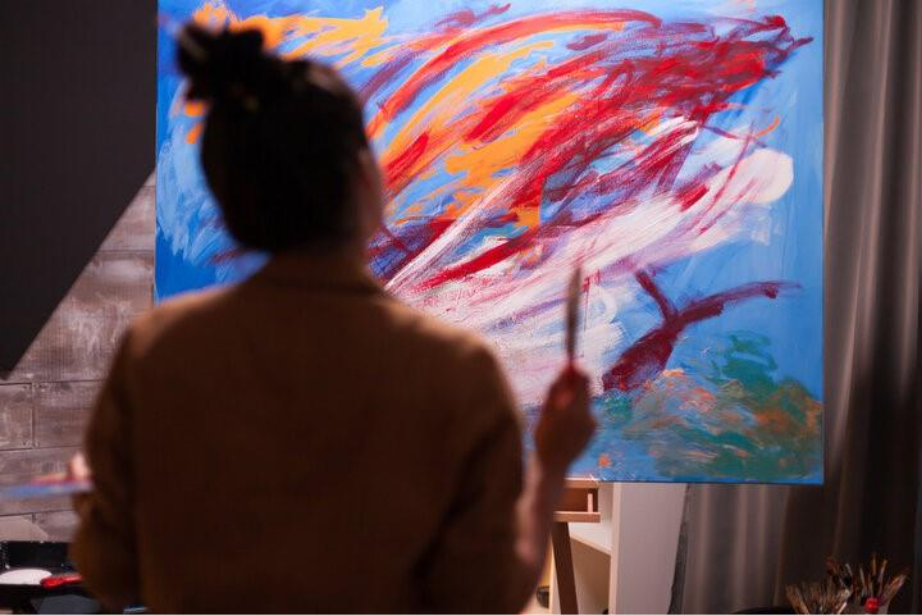
Art has never been limited to just pretty things. It always has a deeper meaning hidden behind vibrant colors and darker hues. It shows us the world, helps us see it, and in some way of the other, makes us think about what we know and how we perceive things. Throughout history, people have painted, sculpted, written, and performed not as a way to decorate, but as a way to show themselves. Art has never been a luxury; it has always been a necessity that has shaped society, identity, and even our ability to see.
Michelle Kangus Huff explains that is why conversations around art deserve attention in every age, including our own. Even though our world is full of digital noise and short-lived distractions, art still plays an important role. If anything, it’s become more sharp. Art makes you slow down, look around, and think again, whether you’re looking at a Renaissance work, listening to a symphony, or looking at new installations that make you think about tough issues. For those who give it their all, art doesn’t just entertain; it changes the way they see things. One of the most important things that art does for both individuals and society is change the way we see and understand things.
Art as a Language Without Borders
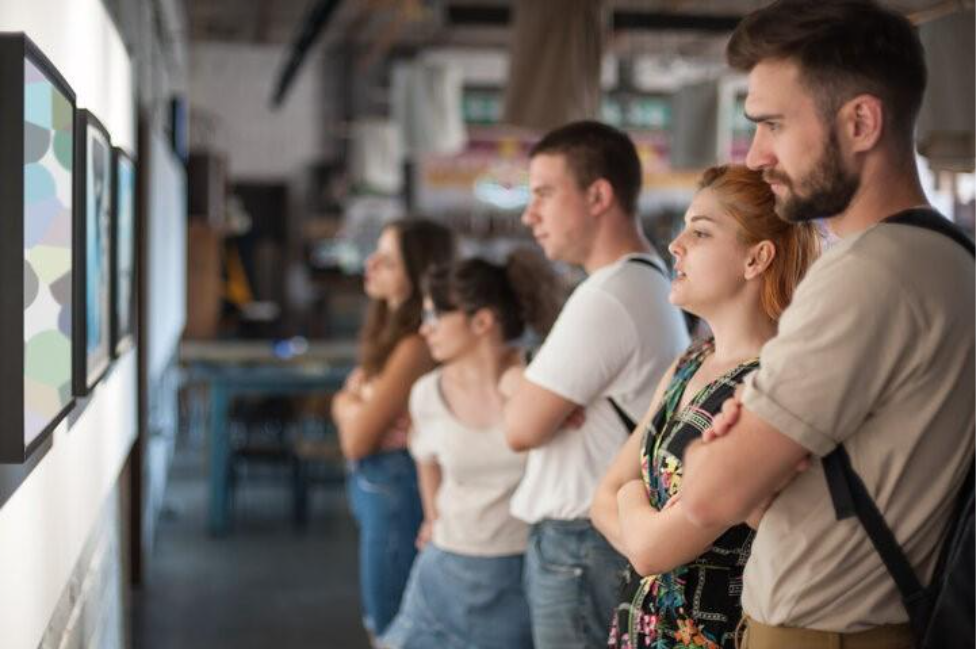
Every society leaves behind an evidence of how that time was lived, valued, and viewed, and that happens through art. That’s the beauty of it, it’s not bounded by language. A painting can communicate grief or triumph across cultures without translation. A play staged centuries ago still resonates because the emotions it captures remain universal.
This is where art helps us see things in a new way. It gets around the filters of political or technical language. It makes us think of the inner language we all share. When there are big differences between people, art can help them understand each other. Today, art is still important because it can break down barriers. It’s important in boardrooms, schools, and galleries alike.
Shaping Perspective Through Detail
One of art’s quietest but most transformative roles is in sharpening how we notice detail. In a gallery, viewers are compelled to study color, line, and form. A sculpture asks us to pay attention to weight and texture. A piece of theatre forces us to track dialogue, gesture, and silence. This attention builds habits of observation that spill into daily life.
When professionals train their eyes through art, they often see issues and answers in new ways. So, a business leader might see market data not just as a bunch of numbers, but also as shapes and rhythms in the data. Artists are used by designers and architects to change more than just how places work. Some people have worked in business for decades while still having a deep respect for design and culture. They know from personal experience how art improves both strategic and aesthetic judgment.
Art as Reflection and Critique
There’s another reason why art remains indispensable, and that’s its role as a cultural critique. Artists have always used their means to show what society is like, from the political frescoes of ancient Rome to the strong statements made by street art today. Art shows growth, but it also shows where things are going wrong.
Such work requires a lot of self-reflection. Viewers are often asked to confront their biases, assumptions, and also blind spots. Although that process may not be the most comfortable thing, it’s still very crucial for internal reflection. Without art, societies risk losing the ability to critique themselves thoughtfully. With it, communities preserve a space where difficult truths can be expressed, digested, and eventually acted upon.
It’s Always About Looking At The Bigger Picture
Art unknowingly teaches us a lot. It doesn’t matter if you’re the artist or the viewer, you’re just as affected by it regardless. But if there’s something that stands out, it’s the way it teaches you to step back and go slow and take time. A painting viewed up close may reveal brushstrokes, but its meaning emerges only when the viewer takes a few steps back. The same holds true in life and work. Details matter, but so does context.
This balance between micro and macro thinking is what art models so effectively. Art can help people working in challenging fields like finance, design, or leadership by illustrating that our perspective is shaped by our position. People who are good at both analytical accuracy and appreciating art show how this balance can lead to better, more empathetic decisions.
The Enduring Value of Art
Art remains relevant not only because it resists change but also because it’s ever-evolving. Each new medium – film, photography, digital installations- adds to the conversation rather than replacing it. What unites them is their power to alter how we see ourselves and the world.
Every time we go to a museum, an art opening, or the theater, we are told that art’s real job is not to answer questions, but to make them better. That method makes sure that art is always current. Why does it still matter? Because it helps us think and feel differently and act more intentionally.
In a time that is all about speed and surface, that point of view is not just nice to have; it’s necessary.