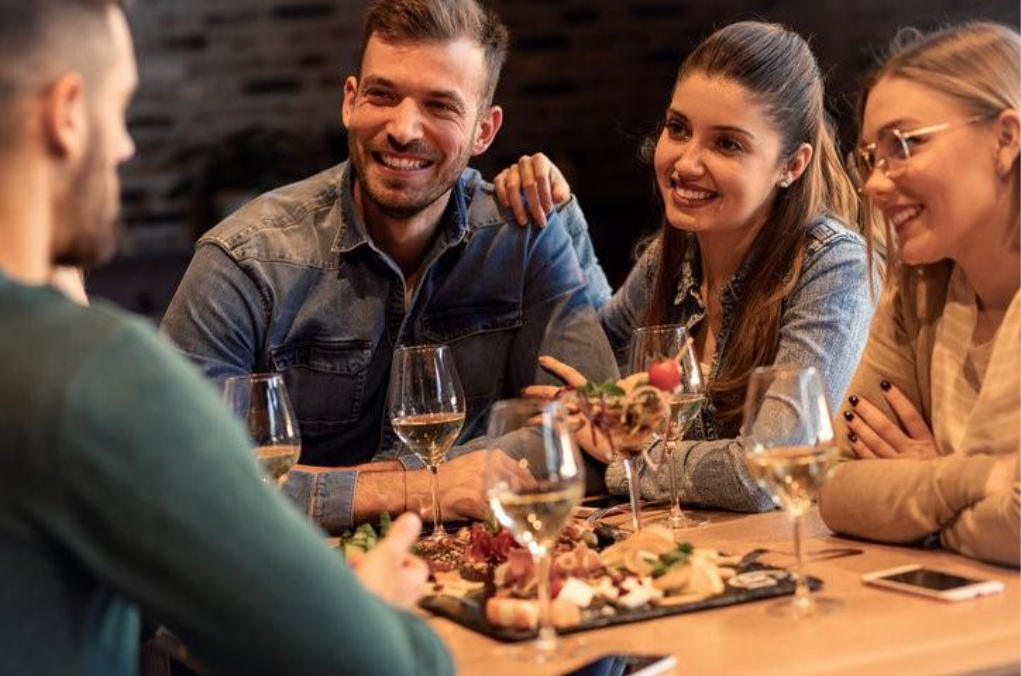
Who doesn’t like a delicious meal? But is it always just about the food, the aroma, and the taste? Sure, a mouthwatering meal makes a lot of difference but it’s never just about the food. Michelle Suzanne Huff explains that long before restaurants became destinations and recipes became content for social media, dining was a ritual of connection. Families gathered not simply to eat, but to share stories of the day. Communities came together to celebrate harvests, mark milestones, and negotiate alliances. Across cultures and centuries, the table has served as a stage for dialogue, understanding, and belonging.
This central role of dining remains as relevant today as it ever was. In fact, in an era when distractions often outpace conversations, the table is one of the few places where people can pause and engage fully with one another. Eating is more than just a way to get food; it’s also one of the most reliable ways for people to make and keep bonds.
The Ritual of Gathering
Every culture has its own food and alongside, it also has a lot of rituals that surround it. From the Japanese tea ceremony to Sunday suppers in American households, meals are framed by tradition and intention. These customs remind us that the act of eating together is not incidental – it is designed.
Sharing a table directly signals inclusion. If you invite someone to dine with you, you’re not just extending your plate, but you’re extending trust, friendship, and a bond. Sitting together affirms equality, because everyone at the table is part of the same rhythm: serving, eating, and conversing. These small rituals turn meals into moments of collective memory, the kind that bind communities long after the food is gone.
Dining as Conversation Without Distraction
It doesn’t matter if you’re traditional or new age, the table has always been a place that holds a lot of conversations and exchanges stories. Dining with other people needs your presence, unlike many other social activities. A meal is not something you can rush through like you might skim an email or skip past a post. Instead, you become part of a shared rhythm – the passing of plates and glasses, the natural pauses that let talks go deeper.
For families, these conversations are the foundation of intimacy. For colleagues, they soften the edges of professional formality, making room for genuine connection. And for communities, they create space where differences can be bridged, one shared story at a time.
The Role of Dining in Strengthening Community Ties
When you talk about communities, what you often talk about is prioritizing shared meals. Be it during festivals, neighborhood potlucks, or even small group diners – these always create network for support. They allow people to meet outside of transactional settings, where identity is not tied to job titles or roles, but to shared humanity.
It’s especially important to remember this in cities, where isolation and density often cohabit. Eating is like an antidote; it turns groups into communities. People in the business world say that these shared places are important for both personal and professional health. They build trust, empathy, and long-lasting ties that can’t be done through technology alone.
Dining and the Professional Sphere
Meals can also have an effect on your work life. Most business leaders know that talks that happen at the table are more important than talks that happen in the office. When you go out to eat, you show kindness. It brings people together and builds relationships that spreadsheets alone can’t.
The table fosters a rhythm that encourages listening. The informal structure creates opportunities for understanding beyond the immediate subject of discussion. Partnerships built over meals tend to last because they are anchored in a sense of personal recognition, not just contractual terms.
Why Dining Still Matters in Modern Life

In a society that moves quickly and is based on technology, it is natural to think that dining practices would die out. However, proof points to the reverse. Food festivals around the world and local “farm-to-table” trends show that people want more than just tasty food. They also want to connect with others over meals.
Dining persists because it answers a timeless need: belonging. At its best, it brings together families, neighbors, colleagues, and strangers to affirm common values and create shared experiences. The table remains a rare and essential place where the pace of life slows enough for people to notice one another fully.
Whether in a family kitchen, a neighborhood gathering, or a business dinner, the act of eating together continues to shape the way humans relate to one another. This timeless practice remains one of the most effective ways to connect and strengthen bonds and it couldn’t be truer.