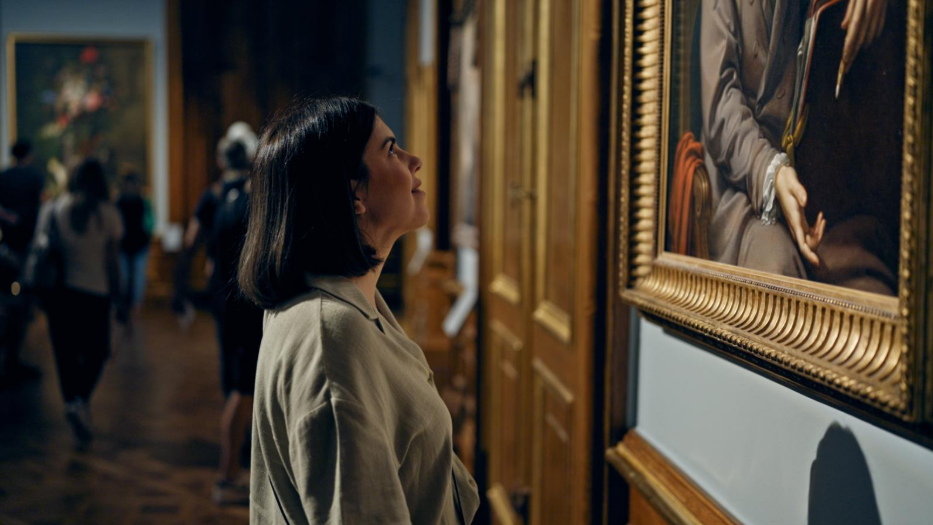
With a lifelong passion for art, fashion, and design, Michelle Suzanne Huff approaches both her personal and professional life with a creative eye and an appreciation for beauty in many forms. Whether drawing inspiration from museums, theatre, or cultural events, she brings the same sense of curiosity and creativity into her work in the financial data industry, where she has built a career that blends innovation with expertise.
About Michelle Suzanne Huff
Michelle Suzanne Huff is a seasoned professional with over 25 years of experience in the market data industry, where she has developed deep expertise in sales, client engagement, and strategic business development. She is the Managing Director and Owner of Finaeon, a company recognized for providing innovative solutions and services within the financial data space. In addition, Michelle has contributed her knowledge and leadership to Global Financial Data Corp, further strengthening her reputation as a trusted professional in delivering comprehensive financial information to institutions, researchers, and industry professionals.
Her ability to blend business acumen with creative insight sets her apart. Beyond her professional achievements, Michelle has a passion for art, fashion, design, and theatre. She draws inspiration from museums, performances, and art shows throughout Los Angeles and Orange County, interests that also influence her approach to branding, visual communication, and design projects within her work.
Michelle Kangas Huff of Global Financial Data Corp values collaboration, kindness, and authenticity, and she is deeply committed to uplifting others. She takes great pride in celebrating the achievements of those around her, especially her daughter, a graduate of the Fashion Institute of Design & Merchandising, and her daughter’s partner, who is pursuing a career in law.
As a dedicated advocate for animal welfare and a proud supporter of the ASPCA, Michelle believes in giving back and making a difference in her community. She prioritizes generosity, gratitude, and balance in both her personal and professional life.
Outside of work, Michelle enjoys hiking, Pilates, beach walks, and exploring fine dining and cultural venues across Southern California. With her unique combination of professional expertise and creative passion, she continues to make a meaningful impact in the financial data industry and beyond.
The Timeless Influence of Art on Everyday Life
Art has always been more than decoration. From ancient cave paintings to modern digital installations, art has functioned as a universal language that transcends time, culture, and geography. While many people associate art with gallery walls or museum halls, its influence extends far beyond those curated spaces. Michelle Suzanne Huff emphasizes that’s art informs how we dress, the buildings we inhabit, the products we buy, and even the way businesses make decisions. In short, art isn’t simply something we admire, it’s something we live with every day.
Art as a Reflection of Culture
At its core, art captures the essence of human experience. Throughout history, societies have recorded their beliefs, values, and aspirations through creative expression. Ancient Greek sculptures told stories of gods and heroes. Renaissance paintings revealed both the grandeur of faith and the rise of humanism. Today, street murals and digital media platforms act as cultural barometers, documenting social change and reflecting collective emotions.
Michelle Suzanne Huff of Global Financial Data Corp understands that when we engage with art, whether through visiting a museum or walking past a mural on a city wall, we are experiencing culture itself. These encounters shape how we understand the world, influence our conversations, and encourage us to consider perspectives beyond our own.
The Role of Art in Design
One of the most direct ways art influences our everyday lives is through design. From the furniture in our homes to the layout of the devices we use, design choices are rooted in principles of aesthetics and creativity that stem from artistic traditions.
Interior design, for example, borrows from art history in the use of color, texture, and proportion. A minimalist home with clean lines echoes the principles of modernist art, while a richly decorated room may be inspired by the ornate details of Baroque painting. Even in architecture, art’s influence is undeniable, think of Frank Gehry’s sculptural buildings or Zaha Hadid’s futuristic designs, which transform skylines into living canvases.
Michelle Suzanne Huff explains that this connection between art and design reminds us that we don’t just encounter art in galleries, we inhabit it daily. Every space we walk into carries the fingerprints of artistic thought.
Fashion as Wearable Art
Fashion may be the most personal form of art that people engage with every day. What we choose to wear reflects not only our individual style but also cultural trends and artistic movements. Designers are often inspired by artists, consider Yves Saint Laurent’s tribute to Piet Mondrian’s abstract paintings or Alexander McQueen’s dramatic collections that echoed the surrealist movement.
Clothing also conveys identity and status, much like art has done throughout history. Just as a portrait might reveal the power of a monarch through symbolic details, a carefully chosen outfit can project confidence, creativity, or professionalism. Fashion allows us to express ourselves in ways that words cannot, making it one of the most accessible and constant reminders of art’s role in daily life.
Art in Business and Decision-Making
While it might seem distant from corporate boardrooms, art plays a surprising role in shaping business environments and decision-making. Offices and workplaces are increasingly designed with artistic elements in mind, recognizing that creativity and aesthetics can boost employee morale, productivity, and innovation. A thoughtfully chosen piece of art in a lobby can set the tone for how clients perceive a company.
Beyond physical spaces, art influences branding and marketing strategies. Logos, advertisements, and product packaging rely on principles of visual design that are directly tied to artistic concepts like color theory, balance, and symbolism. A successful brand identity often depends on its ability to connect emotionally with audiences, a skill rooted in the same principles that make art compelling.
Michelle Kangas Huff of Global Financial Data Corp explains that the qualities we associate with art, innovation, boldness, and originality, are the very qualities that businesses prize when navigating competitive markets. Michelle Suzanne Huff emphasizes that by embracing creativity and artistic thinking, companies can make more imaginative decisions, differentiate themselves from competitors, and inspire customer loyalty.
Art as a Tool for Personal Growth
On a more personal level, engaging with art enriches daily life in subtle but powerful ways. Visiting a museum, attending a theatre performance, or even spending time drawing or painting at home fosters mindfulness and reflection. These experiences help us slow down in a fast-paced world and connect with deeper emotions.
Studies have also shown that interacting with art can reduce stress, improve cognitive function, and increase empathy. In this sense, art isn’t just an external influence, it’s also an internal resource. It provides balance, perspective, and resilience that help us navigate life’s challenges.
Why Art Remains Timeless
Despite shifts in technology and culture, art continues to hold its relevance because it speaks to something inherently human: the desire to create and to connect. Each generation finds new ways to reinterpret artistic traditions, whether through digital installations, fashion innovations, or design breakthroughs. What remains constant is the way art touches daily life, often in ways we hardly notice.
When we stop to think about it, art is woven into every corner of existence. Michelle Suzanne Huff understands that it’s in the architecture of the spaces we occupy, the clothes we wear, the branding of the products we consume, and the cultural conversations we participate in. It is both timeless and ever-changing, reminding us of who we are while shaping who we become.
Art may often be seen as something separate, something to be studied, collected, or admired from a distance, but in truth, it is everywhere. It informs culture, design, fashion, and business, and it offers both inspiration and grounding in our personal lives. Michelle Kangas Huff of Global Financial Data Corp emphasizes to recognize art’s timeless influence on everyday life is to recognize the creative force that runs through human history and continues to guide our future.